The Watchtowers of the Serengeti
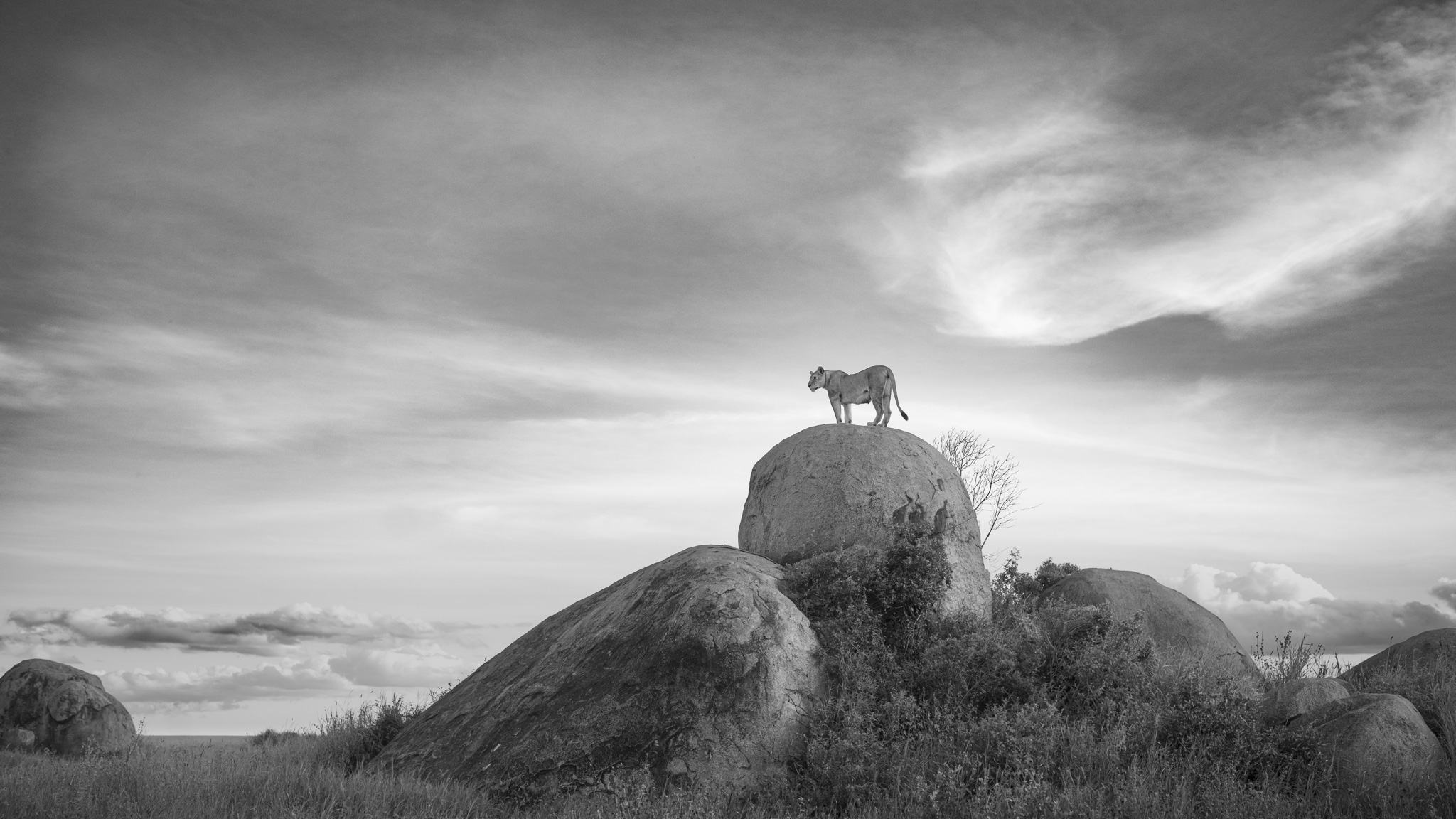
Then mock not the African kopje
But take off your hat to the same
The patient, impartial old kopje
The kopje that taught us the game
Rudyard Kipling
14,750 Square kilometers. That’s how large the Serengeti National Park is.
Large numbers sometimes struggle to paint a vivid picture, so let me try another route.
The city of Mumbai is around 600 square kilometers. Put another way, the entire city of Mumbai can fit into the Serengeti 24 times.
300 prides of lions are estimated to live here. 300 prides spread across almost 15 thousand square kilometers.
In such a large landscape, finding lions might be more a tedious search for needles in a golden haystack than being a relaxed, enjoyable game drive.
That’s where the kopjes come in.
Kopje comes from the Afrikaans word koppie meaning ‘little heads’. The Boers saw rounded granite formations springing up in the middle of the flat vastness that is the Serengeti and felt it looked like little heads peeping out from behind the horizon.
These randomly scattered outcrops are more than old – they are ancient. They formed over a billion-plus years with a little help from the wind, rain and other elements. The predators love them. The kopjes provide shade and shelter in the open landscape. Rain water collected in the crevices becomes a nearby source of drinking water. The small gaps and tiny caves also prove to be effective hiding spots for the cubs while the predator is away hunting.
That’s not all.
Remember the heartwarming scene from the Lion King? The happy subjects learned about the arrival of Simba from the top of a kopje. In real life, the truth is inverted – the kopjes serve as useful watchtowers for a predator to scan the flatness and spot a meal.
Which is why the kopjes are the natural place to head to on a safari. Chances are high that you will find predators, usually lions, at the kopjes. A lion on a billion-year-old rock against the dramatic African skies…now that’s a frame.
The kopjes are usually spread out and it takes a few hours, depending on where you are, to reach one; still better than roaming 15 thousand square kilometres in blind hope.
But, even if you find lions at the kopjes that doesn’t mean that you can now focus on creating images.
Lions are notoriously lazy; they sleep for at least 15 hours usually going up to 20 hours each day. So even if you find lions at a kopje, chances are high that they would be sleeping.
You need loads of patience and good judgment in making the decision to stay put and wait or to try another kopje.
And above all, the most critical ingredient is – plain dumb luck.
Like when we chanced upon a pair of resting lionesses on top of a kopje on our very first drive.
Like when we found out that one of the prides we met had two litters of cubs which meant that, other than photo opportunities and entertainment the cubs would provide, we might always find lions here.
Like when our patience paid off and at different times, the lionesses we were observing, either jumped rocks, nuzzled each other or did an unhurried lazy stretch.
Yeah. We definitely had luck on our side.
And late one evening, when we decided to stay for just that little longer, the clouded horizons parted to reveal one of the most glorious sunsets that I have ever seen in Africa. Clouds, dark and heavily pregnant with hopes of rain, deepened to a shade of deep blue closer to the horizon softening to a more serene white tinged hue further up. The gap in the clouds through which the sun was setting wore a brilliant shade of yellow, bursting into a deep orange before colouring the edge of the clouds with a delightful deep pink.
On the kopjes in front of us, a mother lioness decided it was time for her cubs to retreat into a warm corner for the night and bid goodbye to the day.
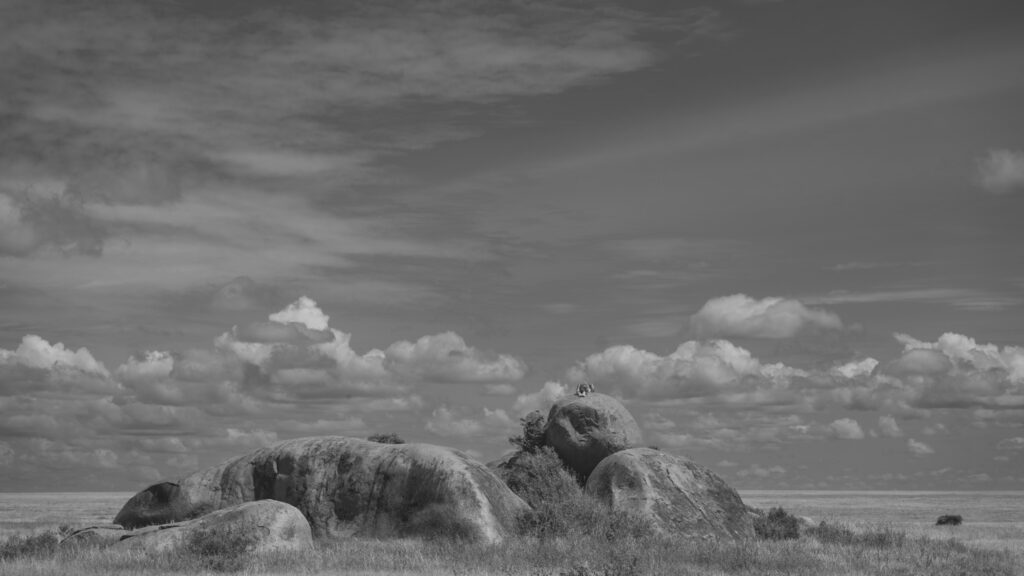
A beautiful day, clear sky and clouds that lift your soul to dizzying heights.
And, a snoozing lioness…sigh
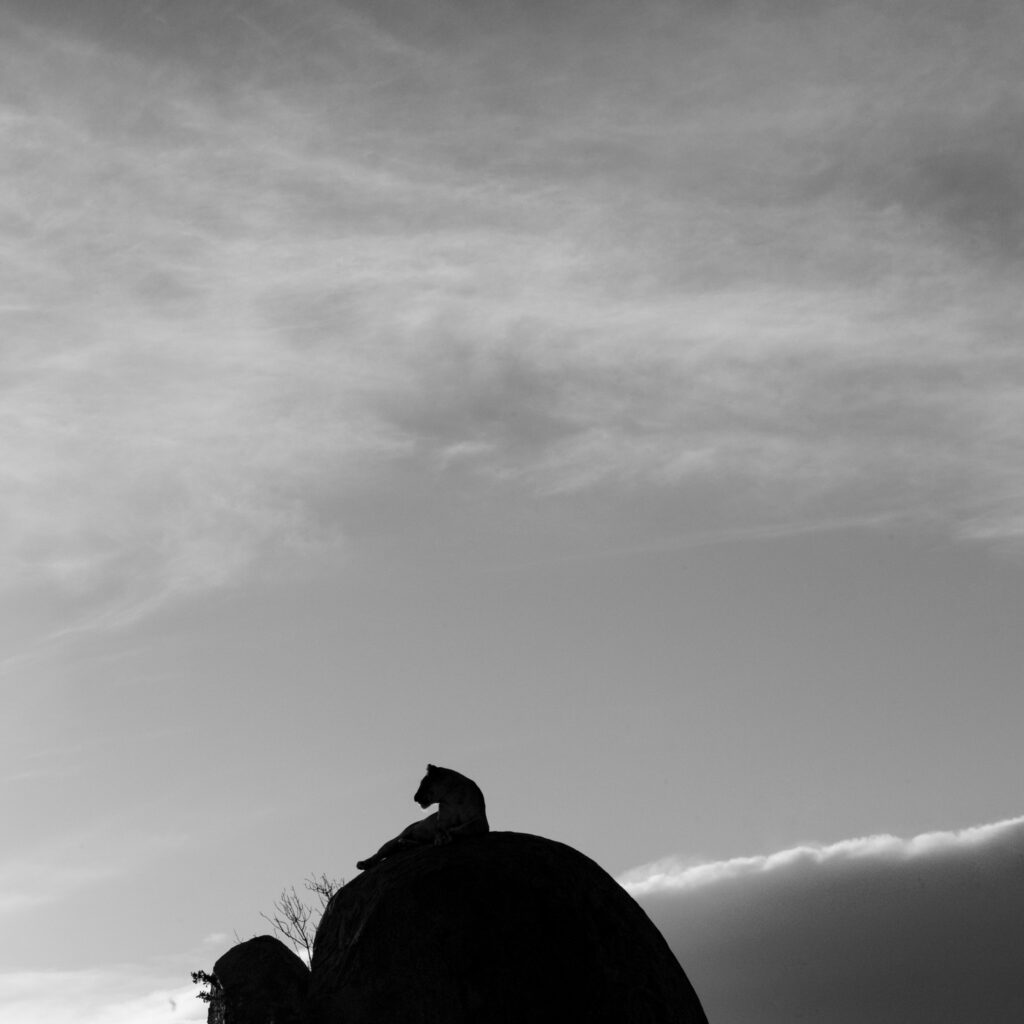
To be honest, even if they are not doing much, the skies can make up.
Isn’t this such a picture of serenity ?
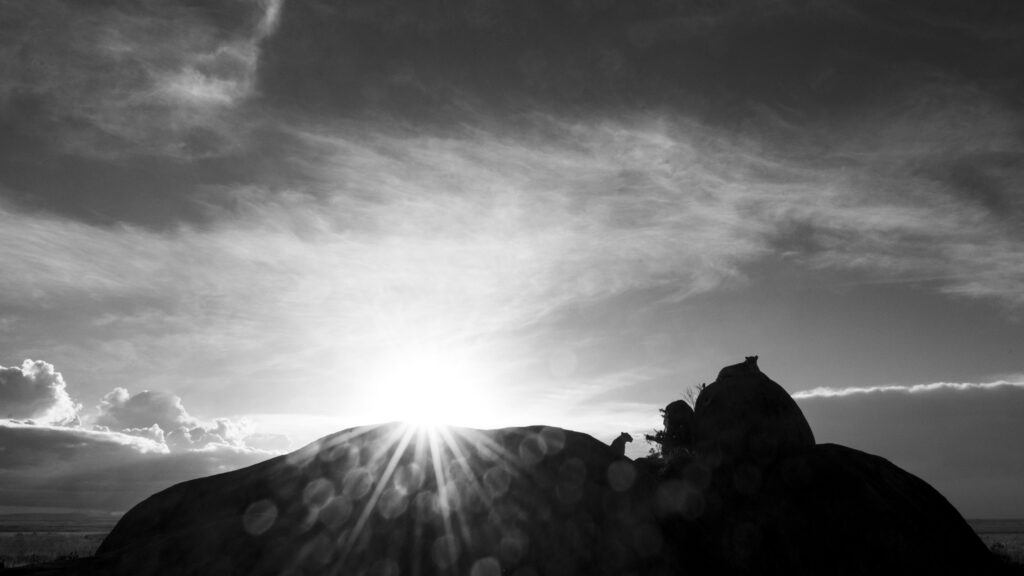
Or if you catch the sun at the right spot, you can create a little drama.
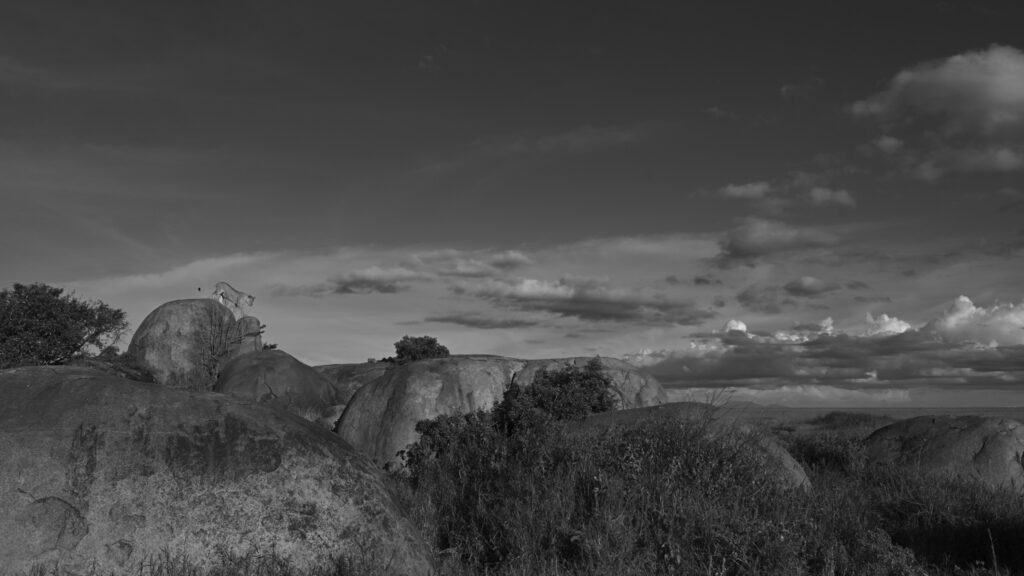
This was my very first image of a lioness on the move on a kopje and hence a special one for me.
( Look carefully, can you see the heads of the cubs next to the bush?)
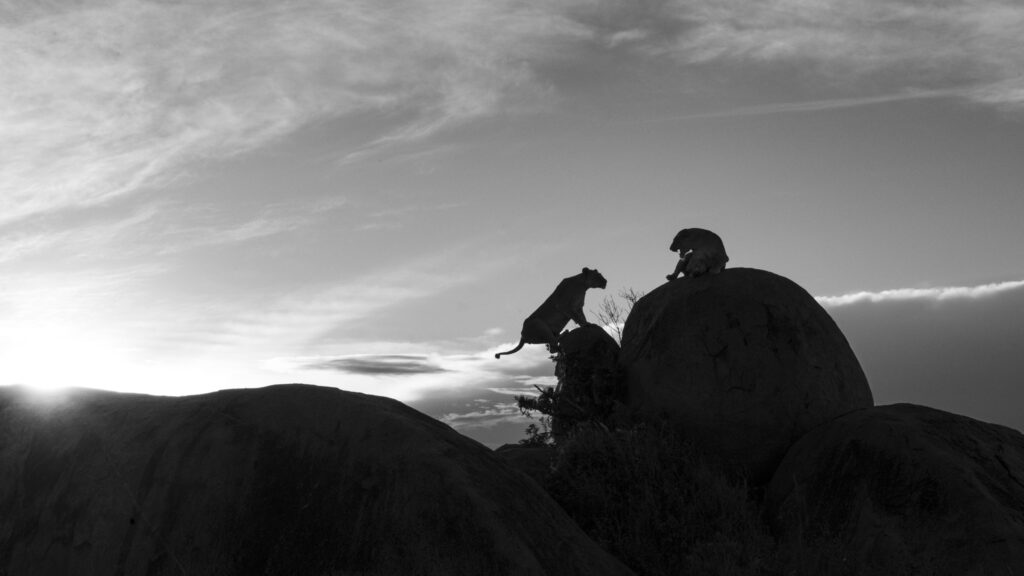
Lionesses HAVE to demonstrate affection to each other.
If it means hopping up on a rock, so be it.
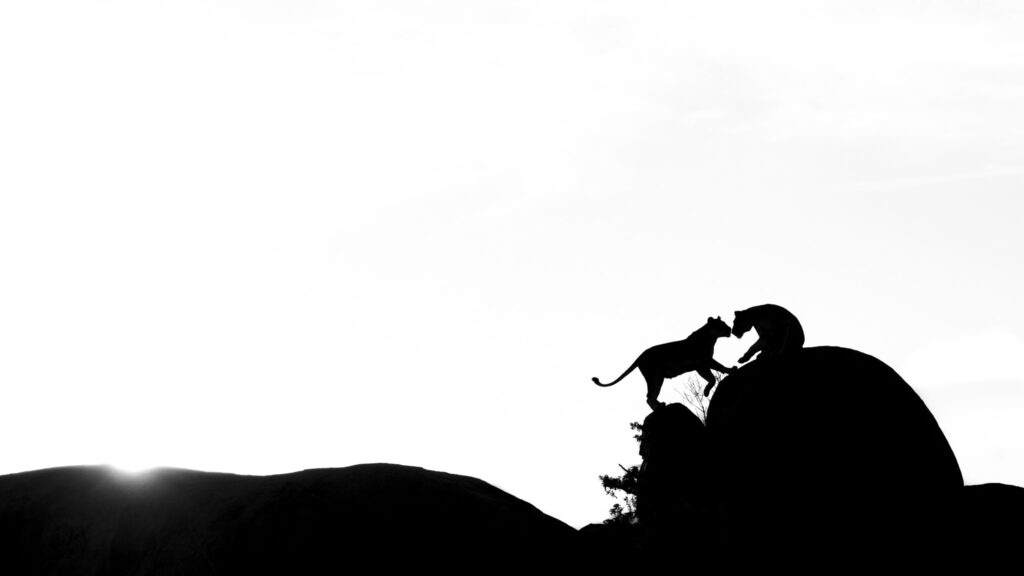
An act that is always reciprocated.
I can’t ever get enough of seeing this display of affection amongst creatures who are otherwise so fierce.
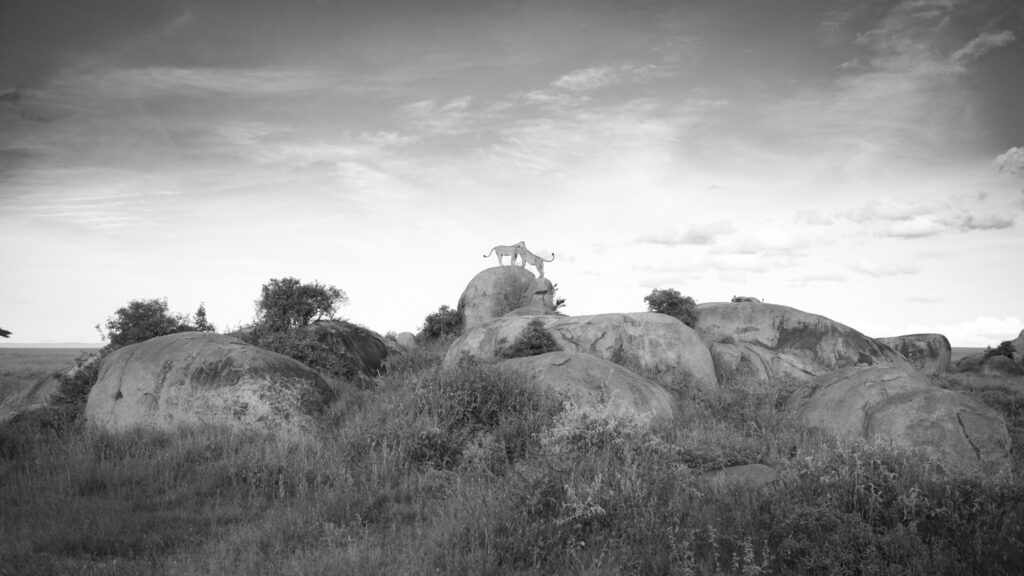
That’s an effective way to scan all sides of the land at the same time.
I love the way the tails complement each other 🙂
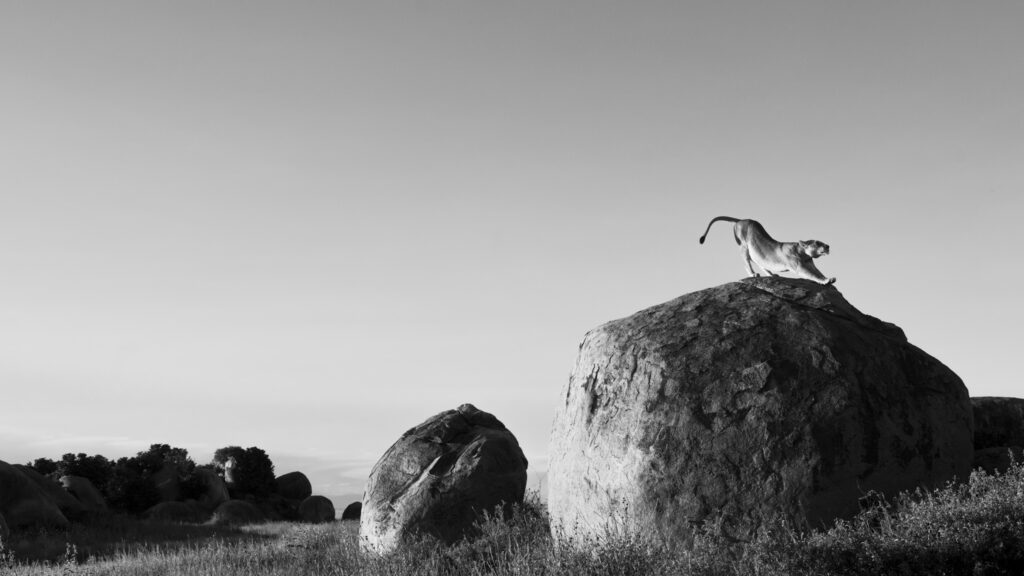
A lioness finally gets up from her position of rest and gets ready…
Often though, it’s to go to another rock and continue snoozing 🙁
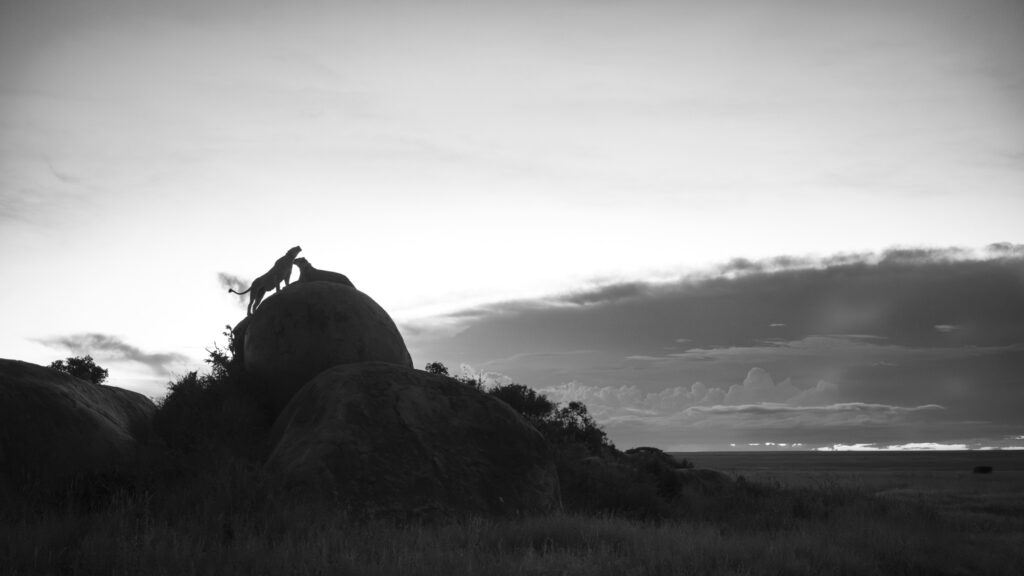
A moment of tenderness in the midst of raw wildness
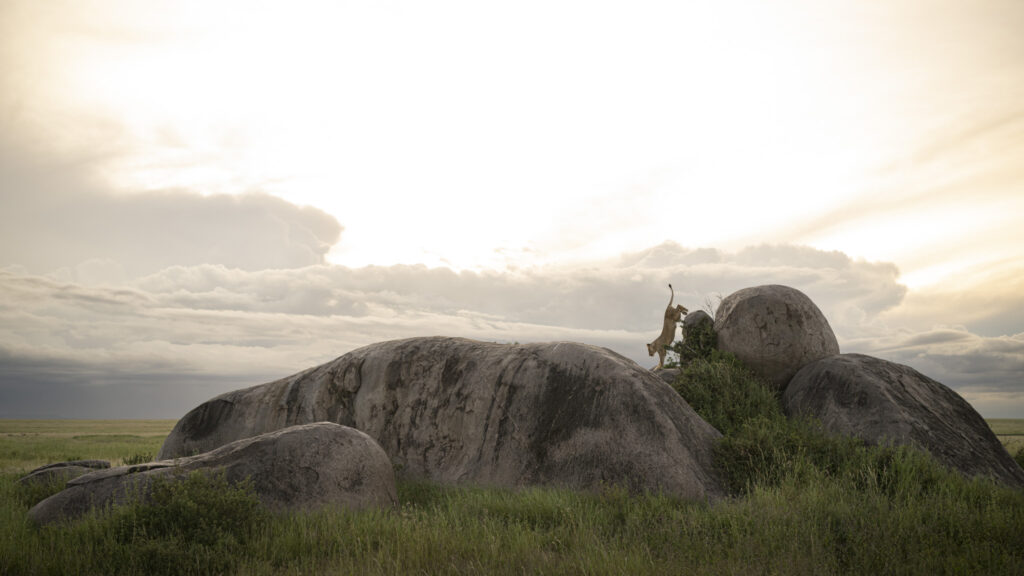
It’s evening…might be a good time to go in search of some food.
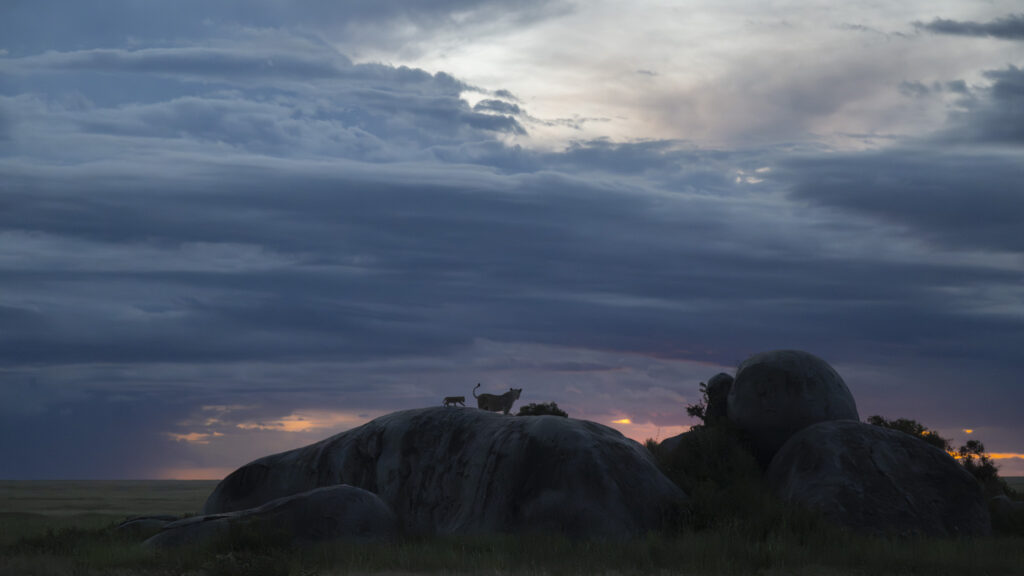
“Come kiddo…the show’s over, let’s tuck you away safely.”
Cheers !
Ashok
Subscribe
Love wildlife photography?
Get my latest photos | blogs | tutorials | giveaways before anyone else!


Loved the article and Images.
Thanks a lot KDS, glad that you enjoyed it !
Wow… Thank you for sharing this.
Great story through photographs and writeup…After seeing the Monochrome images at the start, seeing the colorful images was refreshing..
Thanks Karthik for the note…so, do you prefer colour images to mono or was it just a good change ? I had wondered if having colour images amongst monochrome would disturb the flow…clearly, it helped in your case 🙂
Hi Ashok, I prefer monochrome compared to colour image…
after seeing a lot of mono images..i found it as a refreshing experience to suddenly see one or two color images at the end.
looking forward to your next story…your work has rekindled my photography hobby. 🙂
ah ok…got it 🙂
And the last line is humbling…thank you and hope you have a fab journey ! What genre do you shoot ?
Wilderness at its most beautiful, surreal captures and captivating captions.
I invite you to Pench and Tadoba National Parks in India India, both almost certain for majestic Tiger sightings and a perfect Wildlife photography.
Thanks Jyotindra…yes, I have been to the lovely forests of Central India. Love the feel of the jungle, the crowds however… 🙁